
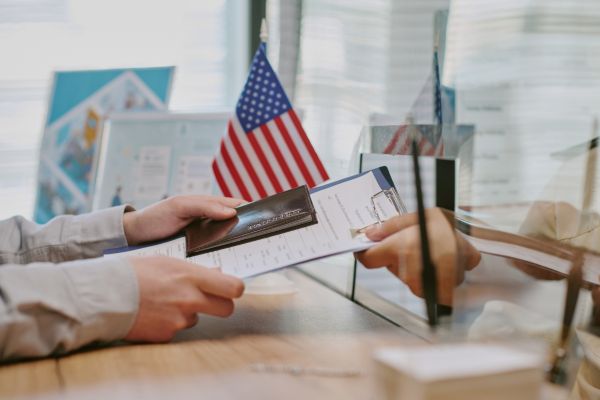
There’s something quietly thrilling about preparing for your first international trip. The idea of stepping into a new country, hearing unfamiliar languages, and navigating places you’ve only seen in photos—it all feels a bit surreal at first. But before the excitement takes over completely, there’s one thing every traveler needs: a reliable international travel checklist.
Think of it less as a rigid to-do list and more as a guide that helps you stay calm, organized, and ready for whatever comes your way. When everything is in place, you’re free to enjoy the journey rather than worry about what you might have forgotten.
Understanding Why a Travel Checklist Matters
Travel, especially across borders, comes with layers of responsibility. It’s not just about packing clothes or booking flights. There are documents, health requirements, cultural expectations, and logistical details that can easily slip through the cracks.
A thoughtfully prepared international travel checklist acts like a quiet safety net. It ensures that you’re not scrambling at the airport or realizing too late that something important was overlooked. More than anything, it gives you confidence—something every first-time traveler needs.
Getting Your Travel Documents in Order
Before anything else, your passport becomes your most valuable possession. It’s worth checking its expiration date well in advance. Many countries require at least six months of validity beyond your travel dates, something that surprises a lot of first-timers.
Visas, if required, deserve equal attention. Some destinations offer visa-free entry or visas on arrival, while others require applications weeks ahead. It’s a detail that varies widely depending on your nationality and destination, so it’s best not to assume.
Beyond that, it helps to carry printed and digital copies of your documents. Losing a passport is stressful enough—having backups can make the situation far easier to handle.
Planning Flights and Accommodation Carefully
Booking your flight is often the moment when the trip starts to feel real. But alongside that excitement comes the responsibility of double-checking details. Names should match your passport exactly, and layovers should allow enough time to move comfortably between terminals.
Accommodation is more than just a place to sleep. For a first-time international traveler, location matters. Staying somewhere central or well-connected to public transport can simplify your entire experience.
Keeping confirmations accessible—whether printed or saved offline—can save you from unnecessary stress when you arrive.
Managing Money Across Borders
One of the more subtle challenges of international travel is handling money. Currency exchange, foreign transaction fees, and access to cash all play a role in your comfort abroad.
It’s usually wise to carry a mix of payment options. A small amount of local currency for immediate expenses, along with cards that work internationally, provides flexibility. Informing your bank before traveling can also prevent unexpected card blocks, something that catches many people off guard.
Budgeting ahead, even loosely, helps you avoid overspending and ensures that your trip remains enjoyable from start to finish.
Packing Smart Without Overpacking
Packing is where excitement often turns into overthinking. The instinct to prepare for every possible scenario can quickly lead to an overstuffed suitcase.
A better approach is to focus on versatility. Clothes that can be layered or mixed and matched are far more useful than packing multiple outfits for specific occasions. Weather research plays a big role here, as does understanding local customs regarding dress.
Essentials like medications, chargers, and travel-sized toiletries should always be within easy reach. A carry-on bag with your most important items can be a lifesaver if checked luggage is delayed.
Understanding Health and Safety Requirements
Health considerations are an important part of any international travel checklist, yet they’re often overlooked until the last minute.
Some countries require vaccinations or health certificates, while others may have specific entry requirements based on current global conditions. Travel insurance, although sometimes seen as optional, can provide peace of mind in case of unexpected situations.
Basic precautions—like carrying a small first-aid kit or knowing emergency contact numbers—can make a significant difference if something goes wrong.
Preparing for Connectivity and Communication
Staying connected while abroad has become easier than ever, but it still requires a bit of planning.
International roaming can be expensive, so many travelers opt for local SIM cards or portable Wi-Fi devices. Downloading offline maps and essential apps before departure can help you navigate unfamiliar places without relying entirely on internet access.
Language barriers can feel intimidating, but simple tools like translation apps or even a few memorized phrases can go a long way in making interactions smoother.
Learning the Basics of Your Destination
Every country has its own rhythm, and understanding it—even slightly—can enrich your experience.
Cultural norms, tipping practices, and basic etiquette vary widely. Something as simple as greeting someone properly or understanding local dining customs can leave a positive impression and make your interactions more meaningful.
Researching transportation systems, popular neighborhoods, and safety tips also helps you move around with confidence rather than hesitation.
Organizing Your Travel Day Essentials
The day of your departure often feels rushed, no matter how well you’ve prepared. Having a small set of essentials ready can make the experience far more manageable.
Your passport, boarding pass, travel insurance details, and a list of emergency contacts should be easily accessible. Comfortable clothing, a reusable water bottle, and a few snacks can make long flights or layovers much more pleasant.
Arriving at the airport early, especially for international flights, gives you the breathing room you didn’t know you needed.
Staying Flexible During Your Trip
Even the most detailed international travel checklist can’t predict everything. Flights get delayed, weather changes plans, and sometimes things simply don’t go as expected.
The key is to stay flexible. Instead of seeing disruptions as setbacks, it helps to view them as part of the travel experience. Often, these unexpected moments become the stories you remember most.
Keeping a calm mindset allows you to adapt quickly and continue enjoying your journey without unnecessary frustration.
Reflecting on Your First International Experience
There’s a unique satisfaction that comes with completing your first international trip. It’s not just about the places you visited, but also about the confidence you gained along the way.
You begin to understand how to navigate unfamiliar environments, make decisions on the go, and embrace new experiences without hesitation. That initial checklist, once so important, gradually becomes second nature.
Travel has a way of teaching lessons that no guidebook can fully capture.
Conclusion
An international travel checklist is more than just a planning tool—it’s a companion that helps you move from uncertainty to confidence. For first-time travelers, it provides structure in what can otherwise feel like an overwhelming process.
By preparing thoughtfully, staying organized, and allowing room for spontaneity, you create space to truly enjoy the journey. The details you manage before departure quietly support the memories you’ll make once you arrive.
And somewhere between packing your bags and stepping onto that plane, you realize that the checklist has done its job—you’re ready to explore the world.