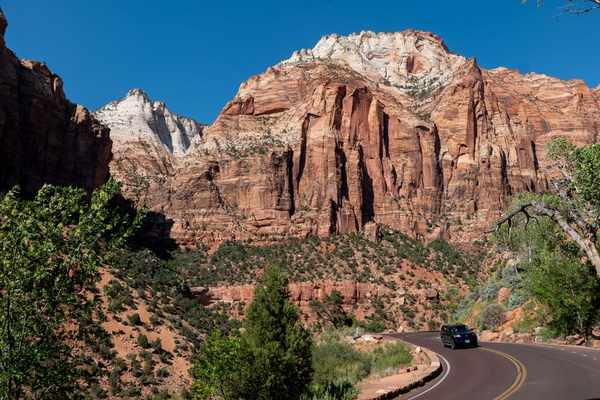
Zion National Park doesn’t have a bad season — but it absolutely has better and worse ones, depending on what you’re after. If your trip revolves around hiking The Narrows, chasing empty trails, or avoiding triple-digit heat in a sandstone canyon with almost no shade, timing matters more here than at most national parks. Get it right, and you’ll wade through cool river water under towering red walls with a fraction of the crowds. Get it wrong, and you might spend your vacation sweating through a shuttle line instead of actually seeing the canyon.
Here’s a season-by-season breakdown to help you plan a Zion trip that lines up with your hiking goals, weather tolerance, and patience for crowds.
Zion Weather by Season: What to Actually Expect
Zion sits in a desert climate, but its canyon setting creates some quirks worth knowing before you book anything.
Spring (March to May)
Spring is widely considered the best time to visit Zion National Park for hikers who want comfortable temperatures without peak summer congestion. Daytime highs typically run from the mid-60s to low 80s°F, and the cottonwood trees along the Virgin River are just starting to green up. The catch is snowmelt — more on that in the Narrows section below.
Summer (June to August)
Summer brings the most visitors and the most heat. Temperatures on the canyon floor regularly climb past 100°F, and afternoon monsoon storms roll through from mid-July into September, sometimes triggering flash flood warnings. If you’re set on a summer trip, plan hikes for early morning and treat storm advisories seriously, especially in slot canyons.
Fall (September to November)
Fall is the sweet spot many repeat visitors quietly prefer over spring. Monsoon season tapers off by late September, temperatures ease into the 70s and 60s, and the crowds thin out noticeably after Labor Day. Cottonwood foliage turns gold in late October and into November, adding a nice visual bonus to hikes.
Winter (December to February)
Winter is the quietest season by far. Days often hover in the 50s on the canyon floor, though nights drop below freezing and higher elevations see snow and ice. Many trails remain accessible, but expect icy patches on shaded sections and shorter daylight hours to plan around.
The Narrows Season: When the Hike Is Actually Doable
For a huge share of people researching Zion National Park hiking, The Narrows is the whole reason for the trip — and its conditions change dramatically by season, which is why timing this hike correctly matters more than almost anything else on your itinerary.
Best Months for The Narrows
Late June through early October is generally the most reliable window. Water levels drop from spring snowmelt highs, flows are usually calm enough for wading rather than fighting current, and water temperatures are tolerable without a drysuit. Early morning starts help you beat both the heat and the crowds on the shuttle to the trailhead.
Spring Snowmelt Risk
From roughly March through May, snowmelt from higher elevations can push water levels up and speeds up, sometimes closing the hike entirely or making it unsafe past the paved Riverside Walk. Always check current river flow data and park alerts before heading out — conditions can shift within days.
Fall and Winter Considerations
The Narrows often stays hikeable into October and sometimes November, though water gets progressively colder. Winter hiking is possible but requires a drysuit rental, available from outfitters in Springdale, since hypothermia risk is real even on a sunny day.
Zion Crowds: How to Avoid the Worst of It
Zion crowds have grown substantially over the past decade, and the shuttle system — mandatory for most of the year to access Zion Canyon Scenic Drive — is often the bottleneck. A few patterns hold up consistently:
- Late April through early June and September through mid-October see the heaviest visitor numbers alongside good weather, so expect long shuttle lines even outside summer.
- The absolute quietest weeks tend to fall in late November (after Thanksgiving) through early March, excluding the winter holidays.
- Weekdays, especially Tuesday through Thursday, are noticeably calmer than weekends year-round.
- Arriving at the visitor center before 7 a.m. dramatically cuts shuttle wait times, even during busy months.
If fewer crowds matter more to you than warm weather, early-to-mid March or November offer a genuinely different experience — shorter lines, easier parking, and trails that don’t feel like a queue.
Matching Your Trip to Your Priorities
There’s no single “correct” answer to the best time to visit Zion National Park — it depends on what you’re optimizing for.
If Hiking The Narrows Is Your Priority
Aim for late June through September, checking flow conditions right before your trip.
If Avoiding Crowds Matters Most
Target late fall through early spring, particularly November or early March.
If You Want Mild Weather and Fewer Trade-offs
Late September through mid-October tends to balance comfortable temperatures, manageable crowds, and a still-open Narrows season better than any other stretch of the year.
Frequently Asked Questions
What is the best time to visit Zion National Park overall?
Late September through mid-October is often considered the best all-around window, combining comfortable temperatures, thinning crowds, and reliable Narrows conditions.
Can you hike The Narrows year-round?
Technically yes, but conditions vary widely. Summer through early fall is easiest for most hikers, while spring snowmelt and winter cold each bring added risk and gear requirements.
What month has the fewest crowds at Zion?
Late November through February, outside the holiday weeks, sees the lowest visitor numbers, though cold temperatures and limited daylight are trade-offs.
Is Zion hot in the summer?
Yes. Canyon floor temperatures frequently exceed 100°F in July and August, so summer hikes are best done early in the morning with plenty of water on hand.
Final Thoughts
Choosing when to visit Zion National Park really comes down to one question: what do you want most from the trip? If The Narrows is non-negotiable, build your dates around summer and early fall water levels. If you’d rather skip the shuttle lines and have a trail mostly to yourself, aim for the quieter shoulder months instead. Either way, checking current park alerts and river conditions before you go will save you from surprises once you’re standing at the trailhead.