
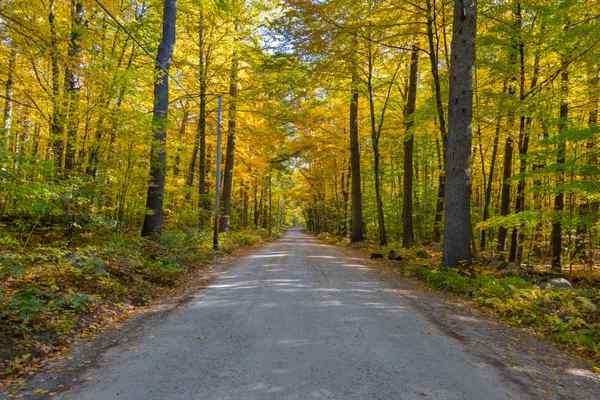
In photographs, a New England fall road trip looks simple: a winding road, fiery maples, white church steeples, and mountains glowing gold. On the ground, timing matters. Peak color arrives at different times across the region, and famous mountain routes can become crowded just when the leaves look their best. The smartest approach is to choose a few scenic areas and leave room to follow the foliage.
When Is Peak Foliage in New England?
Late September through October is the broad viewing season. Northern areas and higher elevations generally change first; southern valleys and coastal regions often follow later. Temperatures, rainfall, wind, and storms can shift the best viewing dates, so historical averages are guides rather than guarantees.
Northern Vermont, New Hampshire, and Maine often show strong color from late September into early October. New Hampshire’s White Mountains and central Vermont commonly look impressive during the first half of October. Southern Vermont, western Massachusetts, and coastal Maine may offer rewarding color later in the month.
Before leaving, check Vermont Tourism’s weekly foliage reports, Visit New Hampshire’s foliage tracker, and Maine’s official foliage reports. Pay attention to leaf drop as well as color: trees can be brilliantly colored one day and noticeably thinner after strong winds.
The Best Scenic Drives for Your Route
Vermont Route 100: Mountain Valleys and Small Towns
Route 100 is an excellent backbone for a new england fall foliage road trip. Its Green Mountain scenery includes wooded slopes, rivers, farms, and villages. Rather than attempting the entire highway, explore a manageable stretch around the Mad River Valley or farther south near Ludlow.
Stowe makes a convenient base for mountain scenery, while Woodstock suits travelers who enjoy village walks and covered-bridge detours. Route 108 through Smugglers’ Notch is famously narrow and winding, so verify vehicle restrictions and road conditions before considering it.
Kancamagus Highway: New Hampshire’s Mountain Classic
The Kancamagus Scenic Byway follows roughly 34 miles of Route 112 between Lincoln and Conway through White Mountain National Forest. Forest overlooks, river access, and short walks make it one of New England’s standout autumn scenic drives.
Drive early on a weekday if you can, especially near peak color. Allow several hours for stops instead of treating the crossing as a quick transfer. Use designated parking areas, never a road shoulder. Lincoln and North Conway are useful overnight bases, with Franconia Notch and Crawford Notch offering additional scenery.
Western Maine: Lakes and Forested Hills
Continue toward Bethel or the Rangeley Lakes area for a quieter extension. The Height of Land viewpoint on Route 17 near Rangeley offers sweeping lake-and-mountain views when visibility cooperates. This section feels particularly rewarding after a busy day in the White Mountains.
Acadia National Park makes a longer coastal add-on, not a quick diversion. Its 27-mile Park Loop Road connects shoreline, lakes, and mountains. Allow extra nights near Bar Harbor, check park conditions, and verify whether any planned Cadillac Summit Road drive requires a vehicle reservation.
The Berkshires: A Later-Season Option
Traveling toward the middle or end of October? Consider western Massachusetts instead of chasing faded foliage farther north. The Berkshires around Lenox, Stockbridge, and Williamstown pair rolling hills with historic streets and cultural stops. This area combines naturally with southern Vermont.
A Flexible Six-Day Leaf Peeping Route
This sample itinerary works especially well as an early-October starting plan. Adjust it according to current foliage reports rather than following the order rigidly.
Days One and Two: Vermont
Settle into Stowe or the Mad River Valley for two nights. Spend a full day exploring a short stretch of Route 100, with breaks for a café, riverside walk, and viewpoint. If mountain slopes are past peak, try lower valleys instead of automatically driving farther north.
Days Three and Four: White Mountains
Travel east to Lincoln or North Conway. Give the journey breathing room, then devote a full day to the Kancamagus Highway and one nearby walk. For a practical example, visit your most anticipated overlook early, before parking fills, and save a village stop for the busier afternoon hours.
Days Five and Six: Western Maine or a Southern Pivot
Explore Bethel or Rangeley, staying overnight before your return journey. If western Maine has already passed peak, use the remaining time for another New Hampshire valley or a route south. That one flexible decision can save hours of disappointing driving.
Where to Stay and How to Avoid the Crowds
Two-night bases are usually more enjoyable than changing accommodation daily. Book popular October weekends well ahead, especially around Indigenous Peoples’ Day, and check cancellation terms if you want flexibility. Small-town restaurants may close early, so plan dinner before arriving after sunset.
Save offline maps and identify fuel stops before heading onto rural roads. Mountain drives are slower than their mileage suggests. A useful planning rule is to schedule one main scenic drive per day, then add short stops only as daylight and traffic allow.
Practical Tips for Autumn Roads
Pack layers, waterproof shoes, and a warm jacket; valley weather can feel comfortable while exposed overlooks are chilly. Begin popular routes early and avoid unmaintained shortcuts suggested by navigation apps. Respect private land and keep trailheads clear.
Build each day around two different experiences: a mountain viewpoint in the morning and a village or lakeside walk later. If clouds hide the ridges, you still have a rewarding outing. For related planning, explore a road trip packing checklist, a Vermont weekend itinerary, or a White Mountains scenic drives guide.
Frequently Asked Questions
How many days do you need for a New England fall road trip?
Five to seven days gives you time for two or three neighboring regions without constant packing. A long weekend works better when focused on one area. Visiting all six New England states takes considerably longer.
Is early October the best time for fall foliage?
It can be excellent in northern and mountainous areas, but there is no guaranteed best week. Always compare your dates with current state foliage reports before finalizing a leaf peeping route.
Should you head north or south for the best leaves?
Early in the season, northern and higher-elevation areas are usually stronger bets. Later, shift toward southern valleys and the coast. Recent weather and reports should guide your final choice.
Is a foliage trip worthwhile outside peak color?
Yes. Mixed shades can be beautiful, and covered bridges, villages, lakes, and short hikes remain enjoyable before or after peak. Avoid building the entire trip around a single photograph-perfect day.
Keep the Route Flexible
The most memorable New England road trip is rarely the one with the longest list of stops. Choose scenic corridors, stay close to where you want to explore, and track the foliage as departure approaches. A realistic pace and a backup route let you enjoy the changing season, even when the leaves refuse to follow your calendar.