
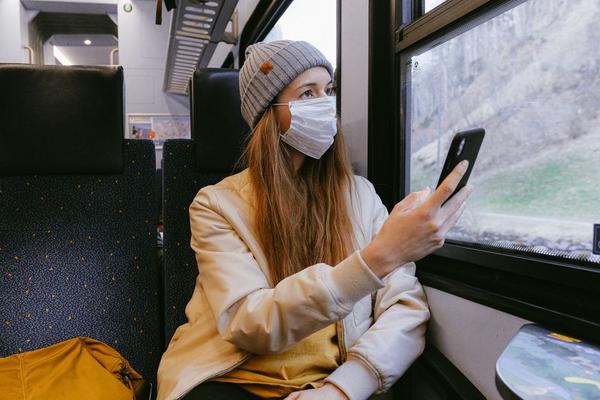
Traveling alone can feel wonderfully freeing until a small question interrupts the excitement: Will I feel comfortable walking back to my hotel after dinner? Solo female travel safety is not about assuming every stranger is dangerous or treating every destination as a threat. It is about making practical choices that leave you room to explore, meet people, and change your plans.
Women traveling alone may encounter unwanted attention, intrusive questions, or situations in which politeness feels difficult to set aside. The most useful safety strategy is to decide in advance how you will handle those moments, rather than expecting yourself to improvise under pressure.
Choose a Destination With Your Actual Plans in Mind
Start with current government travel advice, including regional warnings, local laws, transport conditions, and emergency assistance. Safety varies between neighborhoods and between daytime and nighttime routes. A city that suits daytime sightseeing may require a different plan for a late arrival.
Read recent reviews from solo travelers, especially women, but look for specific details rather than blanket claims that a place is “safe.” Comments about poorly lit streets, persistent harassment, unreliable taxis, or helpful hotel staff are more actionable. Before choosing a route, revisit your first-time solo travel planning notes and consider the journeys you will make after sunset.
Make Your First Night Easy
Arrival day is when fatigue, luggage, an unfamiliar language, and a dying phone can overlap. Book your first night’s accommodation before leaving home and save its address offline. If possible, arrive during daylight and arrange a reputable transfer from the airport or station.
Imagine landing at 11 p.m. and discovering your budget apartment requires a ten-minute walk through deserted lanes to collect a key. A hotel with staffed reception near a well-used transport stop may be a better first-night choice. You can move somewhere cheaper once you understand the area.
Check More Than the Star Rating
Inspect the entrance on a map, look for consistent reviews about locks and staff responsiveness, and check your return route. At check-in, avoid announcing your room number aloud. Keep your door locked, note emergency exits, and ask to move if something feels wrong. Accommodation reviews cannot guarantee safety, so have a backup option.
Use Transportation You Can Verify
Research official taxis, public transit, and reputable ride services before you need them. Where an app is available, compare the license plate, vehicle, and driver with the booking before getting in. Some services offer a pickup PIN or trip sharing. A familiar logo alone does not prove that it is your assigned ride.
If a driver proposes an unexpected detour, check the route and speak up. If you feel threatened, ask to stop at a busy public location when safe, then seek assistance. Avoid unlicensed vehicles, even when someone confidently says your booked driver has changed.
Keep an offline map and a charged phone or backup power bank. Review solo travel transportation tips before making unfamiliar journeys, particularly those involving overnight buses or late trains.
Practice Boundaries Before You Need Them
Female solo traveler safety includes social boundaries, not just locks and routes. You do not owe a stranger your accommodation details, relationship status, or itinerary. A calm “No, thank you” is enough. If someone persists, repeat it, walk toward staff or other people, and end the conversation.
Some travelers say “I’m meeting someone” to disengage. The goal is not a perfect explanation; it is to leave an uncomfortable situation. Be cautious with people who ignore your refusal, insist on changing your plans, or try to isolate you.
Trusting a warning sign does not require guessing someone’s intentions. It means you can act on discomfort before having proof of danger. Changing seats, entering a shop, or calling a licensed ride are reasonable responses.
Enjoy Nightlife Without Losing Your Exit Plan
Going out alone does not mean staying in. Choose venues with a clear way home, tell a trusted contact your general plans, and keep enough money for transport. Watch drinks being prepared where possible, never leave yours unattended, and avoid accepting an open drink from a stranger. Drink spiking can involve nonalcoholic drinks too.
If you suddenly feel much more unwell, confused, or impaired than expected, tell staff and seek medical help promptly. Do not leave with someone you do not trust. A friendly new acquaintance is not automatically a safe escort home.
Share Plans Without Broadcasting Your Location
Agree on a check-in routine with someone you trust. Share your accommodation address, broad itinerary, insurance information, and what they should do if you miss a check-in. A message each evening may be more realistic than constant tracking where reception is unreliable.
Keep passport copies and emergency contacts securely accessible. Delay public social-media posts that reveal your exact hotel or current location. Use a solo travel packing checklist to prepare essentials without carrying valuables you cannot comfortably manage.
Know What to Do if Something Goes Wrong
Save the local emergency number, your accommodation’s number, and your embassy or consulate’s details. Check whether insurance covers medical treatment and evacuation, and carry essential medication legally. The CDC advises travelers to prepare for health needs and unexpected expenses before departure.
If someone follows or harasses you, move toward a staffed business or busy public space, ask a specific person for help, and call emergency services if in danger. If an assault occurs, prioritize your safety and medical care, and seek support from local services or consular staff. Responsibility always lies with the person who harmed you.
Frequently Asked Questions
Is solo travel safe for women?
Solo travel for women can be enjoyable, but no destination or travel style is risk-free. Research your particular location, choose reliable accommodation and transportation, and keep an emergency plan.
Should I tell people I am traveling alone?
You can tell people you trust, but you do not need to disclose that information to strangers. Avoid sharing your hotel name, room number, or daily movements with someone you have just met.
What if I feel unsafe in my hotel?
Contact reception or management from a secure place, request another room, or move elsewhere if needed. If danger is immediate, contact local emergency services. Safety matters more than a nonrefundable booking.
How can I stay safe while meeting new people?
Meet in public, control your own transportation, protect personal details, and respect your limits. Be careful if someone pressures you to drink, change locations, or ignore a boundary.
Travel With Confidence, Not False Certainty
The strongest solo female travel safety habits are small and repeatable: know your route home, verify your ride, protect your privacy, and give yourself permission to leave. Preparation cannot eliminate every risk, but it makes it easier to respond calmly and enjoy traveling alone.