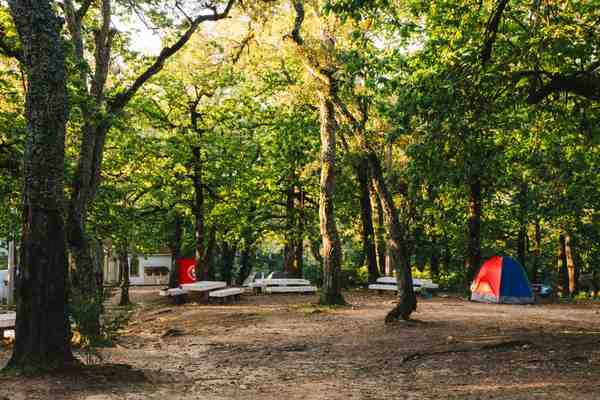
Your first camping trip is much easier when the campground removes unnecessary friction. A good beginner site should be simple to reach by car, close to drinking water and restrooms, and surrounded by enough scenery that you still feel like you escaped everyday life. The best campgrounds for beginners are not necessarily the wildest places; they are the ones that let you learn how to pitch a tent, cook outdoors, manage food, and sleep outside without making every small mistake feel like a crisis.
The six campgrounds below cover different parts of the USA and work especially well for tent and car campers. Amenities and reservation rules can change, so confirm current conditions with the National Park Service and Recreation.gov before you travel.
What Makes a Campground Beginner-Friendly?
For camping for first timers, convenience matters more than backcountry bragging rights. Look for a developed campground with vehicle access, potable water, toilets, a picnic table, and a defined tent area. A nearby visitor center, shuttle, store, or staffed entrance can also help when you need directions, supplies, or clarification about park rules.
Reservable sites are particularly useful because you know where you are sleeping before you leave home. Campgrounds inside major parks add another advantage: trails, viewpoints, ranger programs, and scenic drives are often close once your tent is up.
Six Beginner Camping Spots Across the USA
Blackwoods Campground, Acadia National Park, Maine
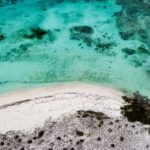
Blackwoods is a strong introduction to camping in the Northeast. It sits on wooded Mount Desert Island about five miles south of Bar Harbor, and most sites are within a short walk of the ocean. The National Park Service lists paved roads, picnic tables, fire rings, seasonal potable water, and flush toilets. There are no showers inside the campground. Seasonal Island Explorer buses also serve park destinations, helping beginners spend less time worrying about driving and parking.
Mather Campground, Grand Canyon National Park, Arizona
Mather Campground is practical for a first national-park trip because it is in Grand Canyon Village on the South Rim. Sites have a picnic table, fire ring with cooking grate, parking, and tent space, with drinking water and flush toilets throughout the campground. The village area adds shuttle buses and visitor services. Among family campgrounds, it is especially appealing when you want an iconic destination without committing to a remote or primitive setup.
Watchman Campground, Zion National Park, Utah
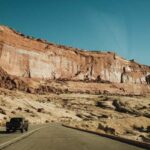
Watchman combines dramatic scenery with a convenient location near Zion’s South Entrance and visitor center, while Springdale’s shops and services are just outside the park. The campground has potable water and year-round flush toilets but no showers. Reservations are required, and busy periods often fill well ahead. Its location makes it one of the easier campgrounds for newcomers who would rather park, settle in, and explore than repeatedly drive in and out of the park.
Smokemont Campground, Great Smoky Mountains National Park, North Carolina
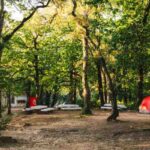
Smokemont offers a wooded setting near the Oconaluftee side of Great Smoky Mountains National Park. Tent and RV campsites, drinking water, and flush toilets are available, though there are no showers or standard hookups. Frontcountry sites include a picnic table and fire grate. It is a good option if your idea of beginner camping spots includes shade, forest sounds, and easy road access. Pack rain protection because mountain weather can change quickly.
Mammoth Cave Campground, Mammoth Cave National Park, Kentucky
Mammoth Cave Campground is approachable because it is only a short walk from the visitor center and cave-tour area. It has paved roads, picnic tables, fire rings, seasonal potable water, flush toilets, and nearby access to services including showers, laundry, and camping supplies during the operating season. That makes it a useful first-trip choice: you can learn your campsite routine while keeping staffed facilities and an indoor attraction close by if weather changes.
Elk Mountain Campground, Wind Cave National Park, South Dakota
Elk Mountain sits where ponderosa pine forest meets prairie, about half a mile from the Wind Cave visitor center. The campground is open year-round, with drinking water and flush toilets available seasonally; vault toilets are available outside that period. Its compact setting and nearby visitor center can make orientation easier for new campers, while the Black Hills landscape gives a first trip a very different feel from the coasts or desert Southwest.
A Simple First-Night Plan
Imagine arriving at 4 p.m. for your first overnight stay. Instead of immediately heading to a trail, use the first hour to learn the site. Pitch the tent while there is daylight, inflate sleeping pads, find the restroom and water source, and store food exactly as park rules require. Then make a simple dinner before sunset. This sequence prevents the classic first-trip problem of assembling unfamiliar gear by flashlight while everyone is hungry.
Before leaving home, review a beginner camping checklist, test your tent once, and confirm the forecast and fire restrictions. A car-camping essentials guide and family camping packing list are also useful companion resources when deciding what belongs in the trunk.
How to Choose Between These Campgrounds
Choose according to the trip you want. Blackwoods suits coastal scenery, Mather delivers a bucket-list landscape with services nearby, and Watchman offers red-rock views from an easy gateway location. Smokemont is ideal for a forested mountain experience, Mammoth Cave pairs camping with visitor facilities and cave tours, and Elk Mountain adds prairie and Black Hills scenery.
Wherever you go, check the campground’s current water, restroom, fire, food-storage, parking, and reservation rules shortly before departure. Those details matter more to a smooth first trip than buying expensive gear.
Frequently Asked Questions
What type of campground is best for a first camping trip?
A developed frontcountry campground is usually easiest. Look for car access, potable water, toilets, a picnic table, and clearly marked sites. Being near a visitor center or town can reduce stress if you forget something.
How many nights should a beginner camp?
One or two nights is a sensible starting point. A single overnight tests your sleep and cooking setup, while two nights give you a full day to enjoy the destination without packing up immediately after breakfast.
Do beginner campers need a campground with showers?
No. Many excellent national-park campgrounds do not have showers. For a short trip, basic hygiene supplies are usually enough. If showers matter to your group, check nearby visitor services, concession facilities, or gateway towns before booking.
Should beginners reserve a campsite in advance?
Yes, when reservations are offered. Knowing you have a specific site removes uncertainty at popular destinations. Reservation windows and seasonal dates vary, so verify them before booking other non-refundable parts of the trip.
Start With Convenience, Then Add Adventure
Your first camping trip does not need to prove anything. Pick a place where the logistics are manageable, arrive with daylight to spare, and give yourself time to learn outdoor routines. Once pitching the tent, cooking, food storage, and sleeping outside feel familiar, you can move on to quieter and more primitive campsites. These beginner-friendly destinations make that first step easier while still delivering the scenery and sense of escape that make camping worth learning.