
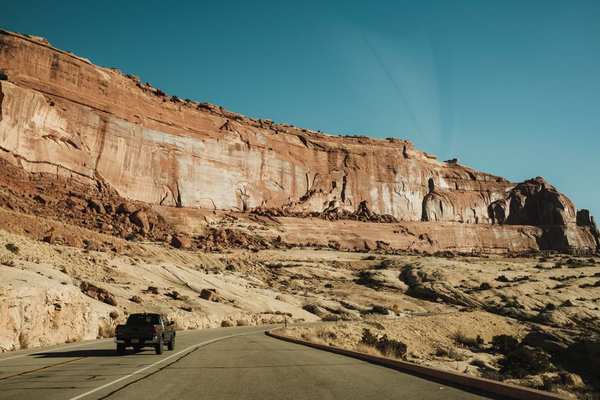
Utah’s five national parks look close enough on a map to tackle quickly, but changing elevations, shuttle systems, desert heat and driving time can turn an overpacked trip into a race. A strong Utah national parks road trip itinerary links Zion, Bryce Canyon, Capitol Reef, Arches and Canyonlands in a logical order while leaving enough time to experience each landscape.
For most first-time visitors, seven days is the practical minimum and eight to ten days is more comfortable. This route runs west to east, starting near Las Vegas and finishing around Moab, although it can be reversed from Salt Lake City. The goal is to give the Mighty Five Utah parks enough time to feel genuinely different from one another.
Best Driving Order for Utah’s Mighty Five
The most efficient classic route is Zion, Bryce Canyon, Capitol Reef, Arches and Canyonlands. This keeps backtracking low. The section between Bryce Canyon and Capitol Reef, including Utah Scenic Byway 12, is one of the trip’s standout road segments.
A common mistake is to jump from Zion straight to Arches because those are the headline parks. Instead, move steadily east and use Moab as your final base for Arches and Canyonlands.
Days 1–2: Zion National Park
Zion deserves two days because its main canyon is popular and access often depends on the seasonal shuttle. In 2026, the Zion Canyon shuttle operates for much of the year, and riders do not need a shuttle reservation or ticket, although park admission still applies.
Use your first day for the main canyon, with options such as the Riverside Walk, Emerald Pools area and scenic viewpoints. If Angels Landing is your priority, remember that the chain section requires a permit. The Narrows is condition-dependent because river flow and flash-flood risk can affect access.
On day two, choose a longer hike, explore the east side, or enjoy a slower morning before driving to Bryce Canyon. A best hikes in Zion National Park guide is a natural planning companion if your group has mixed fitness levels.
Day 3: Bryce Canyon National Park
Bryce Canyon sits much higher than Zion, so temperatures can be dramatically cooler and snow is possible outside the heart of winter. One full day is enough for most road-trippers to see the Bryce Amphitheater, walk below the rim and stop at several viewpoints.
The seasonal Bryce Canyon shuttle is free with park admission and optional rather than mandatory. It can save time looking for parking around the amphitheater. Combine Sunrise Point, Sunset Point and a trail among the hoodoos rather than spending the whole day driving between overlooks.
A warm Zion afternoon can be followed by a cold Bryce morning, so a Utah national parks packing list should include layers, sun protection and plenty of water.
Day 4: Capitol Reef National Park
Capitol Reef is often the park travelers rush, which is why it can become the surprise favorite. The Fruita area combines orchards, historic buildings, cliffs and trailheads in a compact setting. The paved Scenic Drive is 7.9 miles one way and takes roughly 90 minutes round trip with typical stops, while dirt spur roads can change with weather and road conditions.
Give the park most of the day. Explore Fruita, add a canyon or wash hike, and check current conditions before driving unpaved roads. Flash floods, mud and storm damage can change access quickly.
Days 5–6: Arches and Canyonlands from Moab
Day 5: Arches National Park
Arches deserves a full day because its major formations are spread along a long park road. In 2026, advanced timed-entry reservations are not required, but heavy traffic can still lead to entrance delays or temporary diversions when parking areas become congested.
Choose a few priorities instead of trying to hike everything. Delicate Arch, the Windows area and Devils Garden each take meaningful time once walking, parking and heat are factored in. A Zion Bryce Arches itinerary may look easy on paper, but trailhead logistics can matter as much as road mileage.
Day 6: Canyonlands National Park
For a one-day first visit, focus on the Island in the Sky district. Canyonlands is divided into separate districts by the Green and Colorado rivers, with no roads connecting them inside the park. Island in the Sky is the easiest district to reach from Moab and is ideal for scenic overlooks and shorter walks.
Allow about 40 minutes to reach the visitor center from Moab, then build the day around Grand View Point, Green River Overlook and Mesa Arch. Trying to add the Needles district on the same day creates more driving than sightseeing.
Day 7: Keep a Buffer Day
A seventh day gives your Utah road trip breathing room. Use it for another Arches morning, a longer Canyonlands hike, extra time in Moab or insurance against weather and traffic. For example, if you reach Arches later than planned and Delicate Arch parking is difficult, a flexible day lets you move that hike to sunrise without sacrificing Canyonlands.
Best Time to Take This Road Trip
Late spring and early fall usually offer the best balance of daylight, temperatures and access, but conditions vary sharply across the five parks. Zion can be extremely hot in summer, while Bryce Canyon’s elevation brings colder nights and possible snow in spring and fall. Summer monsoon storms can also create flash-flood risks.
May and September are strong all-around choices. April and October can be excellent with lighter crowds, but weather flexibility matters more. Winter brings solitude and striking scenery, though shorter days and storm-related road or trail limitations make a five-park trip less predictable.
FAQ
How many days do you need for all five Utah national parks?
Seven days is a workable minimum, but eight to ten days is more relaxed. Give Zion two days, Bryce Canyon and Capitol Reef one day each, and two to three days around Moab for Arches and Canyonlands.
Which Utah national park should you visit first?
From Las Vegas, start with Zion and travel east. From Salt Lake City or Colorado, reversing the route and beginning near Moab may be more efficient.
Do you need reservations for the Mighty Five?
Requirements vary by park and activity. In 2026, Arches does not require timed-entry reservations, while experiences such as Angels Landing in Zion still require permits. Campgrounds and special activities may have separate rules, so check current National Park Service information before departure.
Can you visit Arches and Canyonlands in one day?
You can see highlights, but it creates a rushed first visit. One full day for Arches and one for Canyonlands’ Island in the Sky district is a much better use of a Moab stay.
Make the Drive Part of the Experience
The best Utah national parks road trip itinerary is not the one that reaches all five parks fastest. Two days in Zion, focused days in Bryce Canyon and Capitol Reef, and a Moab base for Arches and Canyonlands create an efficient route without turning the trip into a checklist. Keep one flexible day, check park conditions before each drive, and treat the roads between the parks as part of the adventure.