Denver is a rare road-trip starting point: tall Rocky Mountain passes lie west, while southern Colorado and the Southwest open into dunes, canyons, and red-rock country. That variety makes road trips from Denver appealing even when you only have a weekend. A two-hour escape can deliver alpine views; a longer drive can feel like entering another landscape altogether.
These approximate one-way drive times start in central Denver and assume normal traffic. Weekend congestion, snow, construction, and sightseeing stops can add hours, so choose a route for the time you have rather than the mileage alone.
Mountain Road Trips Close to Denver
Peak to Peak Scenic Byway: A Flexible Day Drive
Reach the Nederland area in roughly 45–75 minutes, then follow mountain roads north toward Estes Park. This byway is ideal when the journey matters as much as the destination: expect pine forests, distant peaks, and small towns where you can stop for coffee.
Fall foliage brings beautiful aspen color, but mountain weather is less predictable than Denver’s. Allow several hours for the complete outing instead of treating Nederland as the final stop.
Rocky Mountain National Park: Alpine Views
Drive approximately 1.5–2 hours to Estes Park, the eastern gateway to Rocky Mountain National Park. From there, explore valley viewpoints, short trails, or Trail Ridge Road when conditions permit. At higher elevations, the scenery changes quickly from forest to exposed tundra.
Trail Ridge Road generally closes to through travel in winter and may shut temporarily during storms. The park also uses timed-entry reservations in busy seasons, including a separate access option for Bear Lake Road. Check current National Park Service requirements before you depart.
Breckenridge and Frisco: Mountains With Town Comforts
Allow roughly 1.5–2.5 hours to reach Summit County in favorable conditions. Frisco offers access to Dillon Reservoir and several nearby communities, while Breckenridge adds a historic main street and year-round mountain activities.
These are classic weekend trips from Denver, but I-70 traffic can be punishing on Friday evenings and Sunday afternoons. Leave early, stay overnight, and avoid planning a tight return schedule.
Glenwood Springs: Canyon Roads and a Soak
Glenwood Springs lies roughly 2.5–3.5 hours west. The I-70 journey through Glenwood Canyon is a highlight, with towering walls beside the Colorado River. Once there, hot springs, riverside paths, and a relaxed downtown suit travelers seeking a slower getaway.
Check highway conditions beforehand. Winter weather and occasional canyon closures can turn a manageable drive into a lengthy detour.
Southern Colorado: Rocks, Peaks, and Sand
Colorado Springs: A Short Red-Rock Escape
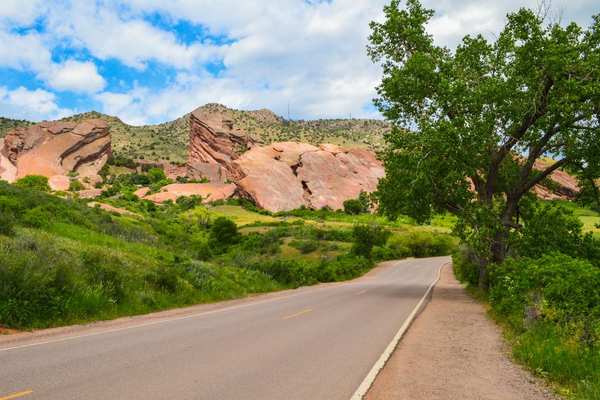
Colorado Springs is approximately 1.25–2 hours south. Garden of the Gods is the main draw for a scenic day trip, with striking sandstone formations set against the Front Range. Arrive early for easier parking and softer light on the rocks.
If Pikes Peak Highway is also on your list, set aside significant extra time and verify road access. The summit’s weather can be dramatically different from conditions in town.
Great Sand Dunes National Park: An Unexpected Landscape
Allow around 3.5–4.5 hours for Great Sand Dunes National Park. The drive via US 285 crosses mountain country before reaching the broad San Luis Valley. Another common approach follows I-25 toward Walsenburg, then US 160 and CO 150.
Make this an overnight trip: arrive near the park in the afternoon, then walk on the dunes early the next morning. Summer sand can become dangerously hot, and afternoon thunderstorms are possible. Follow signed paved approaches rather than questionable GPS shortcuts onto primitive roads.
Black Canyon of the Gunnison: Dramatic Depth
Expect about 4.5–5.5 hours to the park’s South Rim near Montrose. Instead of distant mountain panoramas, its viewpoints look into an exceptionally steep, narrow gorge. Spend time at multiple overlooks; each reveals a different angle on the canyon.
The South Rim scenic road has seasonal restrictions. The North and South Rims are not connected by a bridge, so visiting both requires considerable additional driving.
Western Colorado and Southwest Desert Drives
Colorado National Monument: Red Rocks Without Crossing State Lines
Roughly 4–5 hours west of Denver, near Grand Junction and Fruita, Colorado National Monument offers a surprisingly desert-like change of scene. Its 23-mile Rim Rock Drive curves past sandstone cliffs, canyon overlooks, and towering rock formations.
Plan at least an hour for the road itself, plus time at overlooks. This is among the most rewarding Colorado road trips for people who prefer scenic driving to long hikes.
Moab, Utah: A Long Weekend Among Arches
Moab takes approximately 5.5–7 hours to reach, making two or three nights preferable to a rushed overnight stay. Arches National Park, Canyonlands viewpoints, and the surrounding red-rock roads offer a striking contrast to Colorado’s alpine scenery.
Arches does not require advance timed-entry reservations in 2026, although traffic and limited parking remain concerns. Check current park guidance for later travel dates, and begin popular excursions early.
Santa Fe, New Mexico: High-Desert Culture
Allow roughly 5.5–7 hours south via I-25 for Santa Fe. This trip pairs open high-desert scenery with galleries, adobe buildings, distinctive regional food, and walkable historic streets.
It’s a compelling alternative to mountain road trips when you want a city-based weekend. Stay at least two nights so that the drive doesn’t consume nearly all your free time.
Planning the Drive Around Time and Weather
For a single day, prioritize the Peak to Peak route or Colorado Springs. With one overnight, Breckenridge, Glenwood Springs, or Great Sand Dunes becomes more comfortable. Save Moab and Santa Fe for longer breaks.
Winter can make even familiar mountain highways difficult. Check COtrip road reports, traction requirements, and forecasts along the entire route—not just at your destination. National park alerts are equally important for seasonal roads and entry rules.
For a practical two-day example, leave Denver early Saturday for Great Sand Dunes, take the mountainous US 285 approach in good weather, stay near Alamosa, and visit the dunes at sunrise Sunday. You’ll see more and avoid the hottest sand without rushing a same-day return. A Colorado scenic byways guide and a national parks itinerary can also help connect nearby stops.
Frequently Asked Questions
What are the easiest day trips from Denver?
Colorado Springs, Nederland, and the Peak to Peak Scenic Byway offer memorable scenery without requiring a full weekend away.
Which road trips from Denver have desert scenery?
Great Sand Dunes, Colorado National Monument, and Moab offer dunes, rock towers, and canyon landscapes. Moab needs the most driving time.
Can I take mountain road trips in winter?
Yes, on accessible routes with appropriate equipment, but storms and traction rules can disrupt travel. Seasonal high roads such as Trail Ridge Road are usually closed to through traffic.
Is Rocky Mountain National Park or Moab better for a weekend?
Choose Rocky Mountain National Park for a shorter alpine getaway. Choose Moab when you have several days and want a red-rock desert experience.
Choose the Landscape, Then Enjoy the Journey
The best Denver driving trips make room for the unexpected overlook or small-town stop. Whether you’re crossing an alpine pass or heading toward desert cliffs, pick a realistic driving window and let the road be part of the vacation.