Summer gets all the attention when it comes to national park travel, but ask anyone who’s actually stood in a two-hour line for a parking spot in Zion in July, and they’ll tell you there’s a better way. Outdoor travel is booming again in 2026, with more people prioritizing nature-driven trips over crowded resorts and packed itineraries. And yet fall, arguably the best season for it, still gets overlooked by most travel guides. That’s a mistake. Cooler air, thinner crowds, and some of the most spectacular scenery of the year make autumn national park trips a genuinely smarter choice than the summer rush.
If you’ve never planned a trip around foliage before, here’s where to go, when to go, and what to expect.
Why Fall Is the Best Time to Visit National Parks
There’s a reason seasoned park visitors quietly prefer autumn. Temperatures drop to something far more comfortable for hiking, the summer haze clears, and the crushing crowds of July and August thin out considerably once school is back in session. Wildlife also tends to be more active in fall, with elk bugling season and bear foraging activity offering wildlife-watching opportunities that simply aren’t there in peak summer.
Then there’s the foliage itself. Fall foliage national parks transform into something almost unrecognizable from their summer selves, with entire mountainsides shifting into gold, amber, and deep red. For photographers and casual visitors alike, it’s hard to beat.
The Best National Parks to Visit in Fall
Great Smoky Mountains National Park, Tennessee/North Carolina
As the most visited national park in the country, the Smokies are worth planning around carefully, but fall is when they truly earn their reputation. The elevation changes across the park mean foliage color moves gradually from higher elevations down to the valleys, effectively stretching the color season out over several weeks rather than a single short window.
Acadia National Park, Maine
Few places do autumn quite like New England, and Acadia is the crown jewel of the region’s national parks. The combination of rocky coastline and dense maple and birch forest creates a striking contrast, especially around Jordan Pond and the summit of Cadillac Mountain, where sunrise views are legendary.
Shenandoah National Park, Virginia
Skyline Drive is practically built for a fall road trip, winding along the ridge of the Blue Ridge Mountains with overlook after overlook of color-drenched valleys. It’s an easy add-on for anyone already exploring the East Coast in October.
Rocky Mountain National Park, Colorado
Colorado’s aspens turn a brilliant gold each fall, and Rocky Mountain National Park is one of the best places to see it. September is peak season here for elk rut as well, so visitors often get the added bonus of dramatic wildlife encounters alongside the scenery.
Yosemite National Park, California
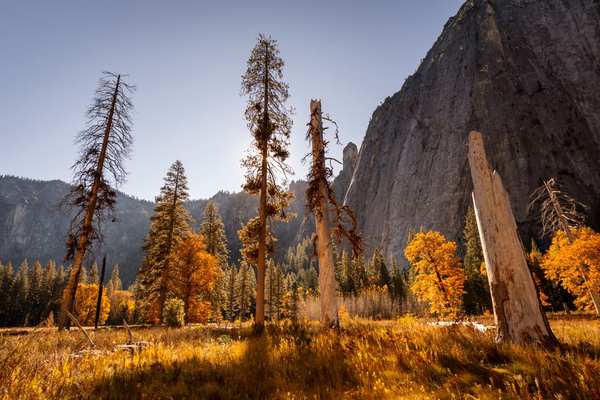
Yosemite in fall trades the summer crowds for a quieter, more contemplative experience. Waterfalls may be lower, but the valley’s oaks and dogwoods add warm color to the granite cliffs, and trails that are packed in July become far more peaceful.
Zion National Park, Utah
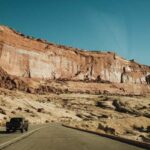
Zion’s cottonwoods turn a vivid yellow against the park’s red rock canyons, creating one of the more underrated color contrasts in the national park system. Fall also brings far more manageable crowd levels than the brutal summer heat and congestion the park is known for.
Best Time to Visit National Parks for Peak Color
Timing fall foliage well requires a bit of regional knowledge, since color doesn’t move at the same pace everywhere.
Northern and High-Elevation Parks
Parks like Acadia and Rocky Mountain tend to peak earlier, often in late September to early October, thanks to their northern latitude or higher elevation.
Mid-Latitude and Lower-Elevation Parks
The Smokies and Shenandoah generally peak in mid-to-late October, though the exact timing can shift by a week or two depending on that year’s weather patterns.
Southwestern Parks
Zion and similar desert parks often see their best color slightly later, into late October or even November, since cottonwoods and other deciduous trees along canyon floors change later than mountain forests.
Checking each park’s official foliage tracker or ranger updates in the weeks before a trip is always worth the extra few minutes, since conditions can shift year to year.
Beating National Park Crowds in Fall
Even with fewer visitors overall, some parks still see weekend surges during peak color weeks. A few strategies help:
Visiting midweek rather than on weekends makes a noticeable difference in parking availability and trail congestion. Arriving at popular viewpoints early in the morning, both for lighting and to beat the day-trippers, tends to pay off too. And for the most popular parks, booking lodging or campsites well in advance is essential, since fall weekends can sell out nearly as fast as summer ones once word gets around about the color.
What to Pack for a Fall National Park Trip
Layers are non-negotiable. Mornings and evenings can be genuinely cold, even in parks that feel warm by midday, so a good jacket, hat, and gloves are worth the packing space. Sturdy footwear matters too, since fallen leaves can hide uneven or wet terrain on trails. And with days getting shorter, packing a headlamp or flashlight is a smart precaution for anyone hiking later into the afternoon.
Frequently Asked Questions
What are the best national parks to visit in fall?
Great Smoky Mountains, Acadia, Shenandoah, Rocky Mountain, Yosemite, and Zion are all excellent choices, each offering a distinct take on autumn scenery, from coastal Maine forests to Utah’s red rock canyons.
When is the best time to see fall foliage in national parks?
It varies by region, but generally late September to mid-October for northern and high-elevation parks, and mid-to-late October for parks farther south or at lower elevations.
Are national parks less crowded in fall?
Yes, significantly. Once school is back in session, visitor numbers drop noticeably compared to summer, though popular parks can still see busy weekends during peak foliage weeks.
Do I need reservations to visit national parks in fall?
Some popular parks still require timed-entry reservations or advance camping bookings during fall weekends, so it’s worth checking each park’s official website before planning a trip.
Final Thoughts
Fall might not get the marketing push that summer does, but for anyone chasing great hiking weather, dramatic scenery, and a break from the crowds, it’s genuinely hard to beat. With outdoor travel continuing to surge into 2026, autumn national park trips offer a smarter, quieter way to experience some of the country’s most iconic landscapes at their absolute best.