
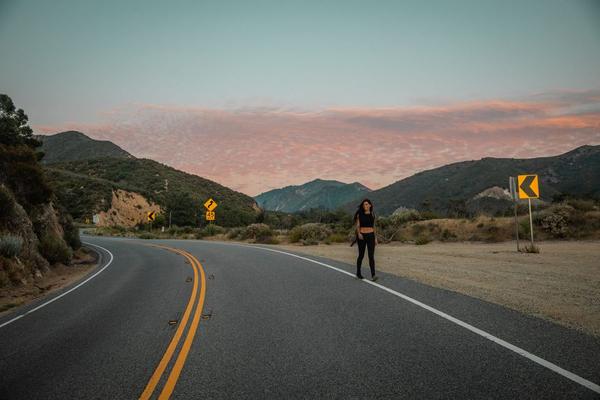
Solo travel across the United States can feel wonderfully freeing: you choose the route, set the pace, and change plans without negotiating with anyone else. That independence also means you are your own navigator, backup planner, and first line of protection. The aim is not anxiety; it is removing avoidable risks before they become problems, so you can stay confident from busy city streets to remote national parks.
Plan around the exact place, not the city’s reputation
Lists of safe solo travel destinations can help with inspiration, but safety changes by neighborhood, time, weather, and activity. Research the area around your hotel, transit stops, parking garage, and planned attractions instead of relying only on a citywide ranking.
Check arrival logistics before leaving home. Know how you will get from the airport or station to your accommodation, especially after dark. Save the address offline, note the official taxi or rideshare pickup point, and identify a staffed public place nearby. Arriving with a clear route is safer than making decisions while tired, distracted, and carrying luggage.
Share a simple itinerary with one trusted person
A practical solo trip safety plan does not require constant tracking. Give a trusted contact your flight or train details, accommodation address, driving route and check-in times. Agree on what they should do if you miss a check-in and cannot be reached.
For day trips, send a quick message before leaving and after returning. If plans change, update the contact. This is especially important for hiking, kayaking, long drives, or areas with weak mobile coverage. The National Park Service recommends leaving a trip plan that includes the route and expected return time because it can help rescuers during an emergency.
Keep your phone useful when you need it most
Download offline maps for every major stop and take screenshots of tickets, reservation details, and directions. Carry a compact power bank and charging cable. Enable emergency contacts and medical information on the lock screen without displaying sensitive personal data.
Weather can vary sharply across the USA, even within one state. Turn on official wireless emergency alerts and check local forecasts before driving or heading outdoors. The FEMA app and local emergency-management alerts can provide current warnings. Do not depend entirely on a phone in remote country; national parks repeatedly warn that reception may be limited or absent.
Use accommodation as your safety base
Book through a reputable platform or directly with a verified property. Confirm the address and cancellation terms. Be cautious when a host pressures you to pay by wire transfer, gift cards, cryptocurrency, or another unusual method. Extremely low prices can also signal a travel scam.
At check-in, avoid saying publicly that you are alone. Ask staff to write down the room number rather than announce it. Lock doors and windows, use the deadbolt, and do not open the door for an unexpected visitor until the front desk confirms the person’s identity. Store backup cash, cards, and identification separately so one lost wallet does not end the trip.
Make transportation decisions before drinking or getting tired
Rideshares and taxis
Match the driver, vehicle, and license plate with the app before entering. Sit where you can exit easily, follow the route on your own map, and share trip status with a trusted contact when the feature is available. If the details do not match or the situation feels wrong, step away and request another ride.
Public transportation
Wait in well-lit areas near other passengers. Keep luggage closed and in contact with your body rather than leaving it beside you. Avoid becoming so absorbed in headphones or a screen that you miss changes around you. When a station feels deserted late at night, a licensed ride may be worth the extra cost.
Road trips
Start with enough fuel, inspect tires, and keep water, a flashlight, basic first-aid supplies, and weather-appropriate clothing in the car. Do not push through severe fatigue to protect a schedule. Stop at a busy, well-lit location, and never leave the vehicle running unattended with valuables visible.
Protect your information as carefully as your belongings
Post photos after leaving a location instead of broadcasting your exact position in real time. Avoid displaying hotel names, boarding passes, license plates, or room keys in social posts. Use strong device passwords and mobile data or a trusted connection for banking rather than unknown public Wi-Fi.
Carry only the documents needed for the day. Keep encrypted digital copies of important records and leave another copy with a trusted person. A small cross-body bag with secure closures is usually easier to control than an open tote or loosely carried phone.
Set personal boundaries before social situations
Traveling alone safely includes deciding in advance how much information to share. You do not owe strangers your hotel name, room number, complete itinerary, or confirmation that nobody is expecting you. A simple statement such as “I’m meeting someone shortly” can end an uncomfortable conversation.
Watch drinks being prepared, keep them in sight, and arrange the return journey before consuming alcohol. Leave whenever an interaction becomes uncomfortable; politeness is less important than distance. Move toward staff, families, or a populated business and call 911 when there is an immediate threat.
Treat outdoor adventures as a separate risk category
City travel does not prepare someone for desert heat, mountain weather, high elevation, wildlife, rip currents, or changing trails. Check park alerts and ranger guidance. Choose a route within your ability, carry water and essential gear, set a turnaround time, and stay on established trails.
For a practical example, imagine planning a sunrise hike in Arizona. The safer version begins the night before: download the map, check heat and closure alerts, tell someone the trail and return time, charge the phone, pack more water than a city walk requires, and turn back if conditions differ from the plan. These small solo travel precautions matter more than confidence alone.
Frequently asked questions
Is solo travel in the USA generally safe?
Millions of trips are completed without serious problems, but risk depends on location, timing, transport, weather, and personal decisions. Research each stop and use layered precautions rather than assuming an entire city is safe or unsafe.
What should a solo traveler carry every day?
Carry identification, a charged phone, power bank, payment card, limited cash, accommodation details, necessary medication, and water. Add weather or activity-specific equipment when driving or spending time outdoors.
Should I share my live location throughout the trip?
It can help during selected journeys, but it is not the only safety measure. A clear itinerary, agreed check-ins, and an escalation plan remain useful when a battery dies or service disappears.
What should I do when something feels wrong?
Leave early, move toward a staffed or populated place, contact someone you trust, and arrange safe transportation. Call 911 for an immediate emergency rather than waiting for certainty.
Confidence comes from preparation
Good solo travel safety tips for the USA are less about carrying fear and more about creating backups. Know your route, protect your information, stay connected without relying on constant service, and change plans when conditions feel wrong. Preparation gives you room to enjoy the independence, spontaneity, and perspective that make traveling alone so rewarding.