
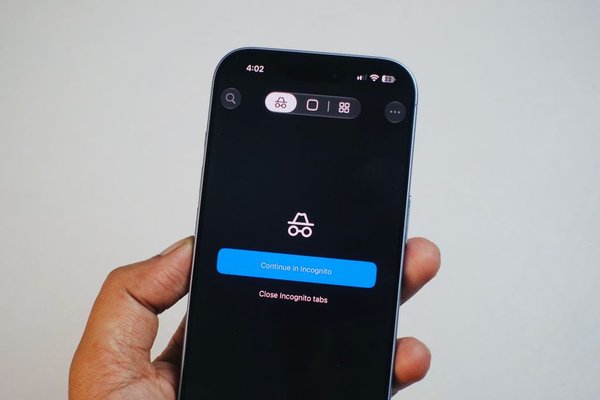
You check a flight on Monday, think about it overnight, and return to find that the fare has jumped. Did the airline notice your interest and raise the price? That suspicion has made private browsing one of the internet’s most persistent travel hacks. So, does incognito mode make flights cheaper? Generally, no. Opening a private window does not unlock a secret set of lower airline fares.
Incognito mode changes what your browser remembers, but it cannot stop airline inventory from moving. Understanding that difference is more useful than repeatedly clearing your browsing history.
What incognito mode actually changes
Private browsing starts a session without using most existing cookies and stored website data from your regular browser profile. When you close the session, the browser typically does not retain its history or newly created cookies on your device. Downloads and bookmarks can still remain.
Incognito is not an invisibility cloak. Websites may still see your IP address and approximate location, and they can receive information about your device and searches during the session. Private browsing does not change how many seats are available at a particular fare.
It can offer a cleaner browsing session, but there is no reliable evidence that private mode consistently reduces ticket prices.
Why the flight-price cookie myth feels convincing
Picture a traveller comparing a New York–Lisbon round trip at $480 in the morning. They search again that evening and see $520. Opening an incognito window, they spot a $495 listing and conclude that cookies caused the increase.
But the comparison is not controlled. That listing might be cached information, a different ticket seller, a fare without checked baggage, or a result not yet rechecked at checkout. Another customer might also have purchased the remaining seat at the original fare.
People remember dramatic price jumps after repeated searches, not the countless times fares stay unchanged. This is why airfare myths travel so easily: they offer a simple explanation for a complicated market.
Do browser cookies affect flight prices?
Cookies help websites remember language preferences, logins and recent searches. They can influence which settings or offers appear first, but that does not prove a flight costs more because you looked twice.
Skyscanner explicitly states that it does not increase fares based on repeat searches, browsing history or cookies. Its displayed prices come from airlines and travel agencies, whose availability and pricing can change independently of your behaviour.
That describes Skyscanner’s practices, not a guarantee about every seller. Some platforms may show member-only discounts, regional offers or different currencies. When ordinary and private windows disagree, compare the booking conditions before assuming personalised price increases.
What really makes airfare move?
Seats sell at different fare levels
Airlines commonly offer a limited number of seats at particular prices. Once lower-priced availability disappears, the next available ticket may cost more. The plane has not changed; the inventory you can buy has.
Demand and departure dates matter
School holidays, major events, busy travel days and proximity to departure can influence fares. Prices can also fall when airlines want to stimulate bookings. There is no dependable rule that every flight gets cheaper at a specific hour or weekday.
Search results can lag behind live availability
Comparison sites sometimes display a fare collected moments earlier. When you select it, the seller may refresh availability and return a different price. A mismatch at checkout is frustrating, but it does not establish that browser cookies caused it.
The ticket may not be identical
A basic-economy fare can look cheaper than a standard ticket while excluding baggage or seat selection. Currency conversion, airports, connection times, refunds and booking fees can also change the total. These details matter more than the browser window.
A better test when two windows show different prices
If you are curious about incognito flight prices, open the same route in regular and private windows within a minute. Set identical travel dates, passenger count, cabin, currency and country. Select the same flight and seller, then advance to the final price review without purchasing.
If a difference remains, check whether one window is signed into a loyalty account or receiving a promotion. Refresh both. A single comparison cannot demonstrate a tracking-based increase when fares move in real time.
Rather than repeating the experiment for an hour, check another travel date or compare the full cost of two tickets.
Ways to find a genuinely better fare
Compare nearby travel dates
Google Flights provides a date grid and price graph showing how fares vary when you shift departure or return days. Moving a Saturday departure to Thursday may matter much more than browser settings. For more ideas, see our guide to finding the cheapest days to fly.
Track a route instead of refreshing constantly
Google Flights and Skyscanner offer price alerts, so you can monitor an itinerary without searching repeatedly. An alert cannot predict the lowest future fare, but it makes price changes easier to spot.
Compare airports and complete costs
Nearby airports can expand your options, but include the time and expense of reaching them. Before choosing a low headline price, check baggage, payment fees, seat costs and ground transport. Our flight booking fees checklist can help you compare equivalent offers.
Choose based on your flexibility
For fixed dates, a fare that meets your budget may be worth booking rather than waiting for a magical drop. If you are flexible, use historical price insights as guidance, not promises. Our guide to when to book flights discusses timing without rigid rules.
The bottom line
Incognito mode can keep flight searches separate from your normal browser history, but it is not a proven shortcut to lower prices. Inventory, demand, travel dates and ticket conditions explain much more of the variation shoppers see. Treat cheap flight myths with curiosity and focus on flexible searches, alerts and complete cost comparisons instead.
Frequently asked questions
Does incognito mode make flights cheaper on Google Flights?
There is no dependable evidence that Google Flights consistently offers lower fares in private browsing. Its date grid, price graph and tracking tools are better ways to investigate savings.
Should I clear cookies before booking flights?
Clearing cookies is not a reliable savings method. It may remove preferences or sign you out, temporarily hiding a member-only offer.
Why did my flight price increase after two searches?
The original fare may have sold out, prices may have updated, or the earlier displayed quote may have been stale. Repeated searches alone do not prove the site raised your price.
Can prices differ between my phone and laptop?
Yes, but compare currency, region, account status, seller, ticket conditions and refresh times first. Different results do not establish that one device is being charged more for its search history.